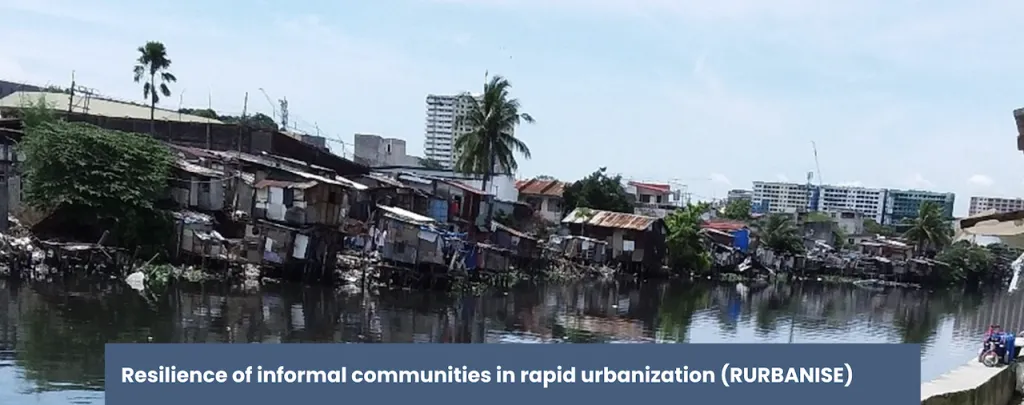
ESSC Joins RURBANISE on Urban Vulnerability
ESSC Joins RURBANISE on Urban Vulnerability
The Environmental Science for Social Change (ESSC) has formally integrated into a six-member research consortium to implement the project titled "Building Resilience in the Context of Rapid Urbanization: A View for Informal Communities" (RURBANISE). Initiated in 2023 and spanning three and a half years, this multidisciplinary endeavor seeks to investigate how evolving urbanization patterns influence differential vulnerabilities within human settlements, specifically focusing on informal communities in the Philippines. By examining the intersection of socio-economic, political, and environmental factors, ESSC aims to document the underlying drivers of uneven climate exposure among marginalized populations residing in high-risk areas prone to flooding and landslides. Led by the Technical Assistance Movement for People and Environment, Inc. (TAMPEI), the research focuses on nine diverse communities from the Homeless People's Federation of the Philippines, Inc. (HPFPI) across Luzon, Visayas, and Mindanao, encompassing urban, rural, and peri-urban landscapes.
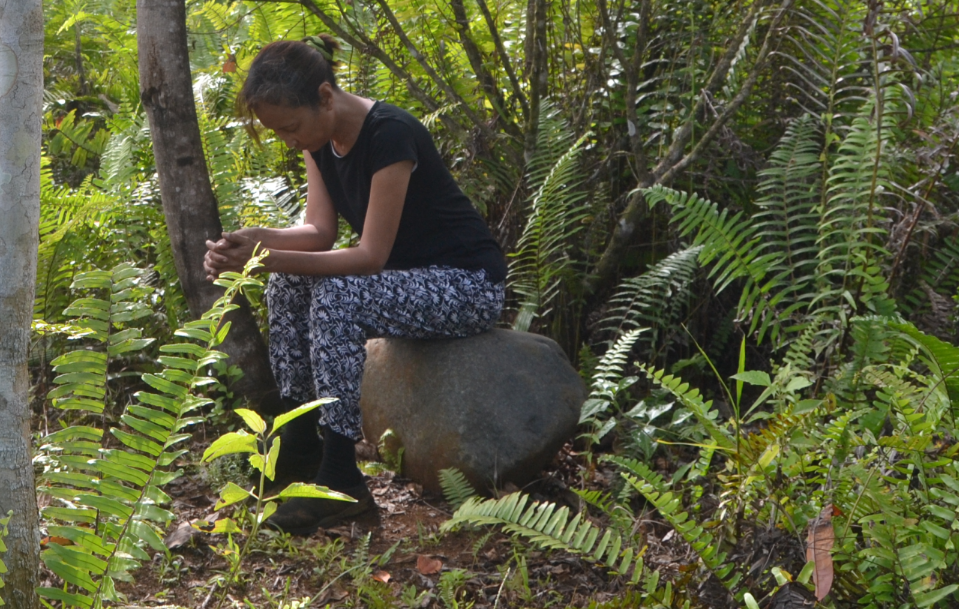
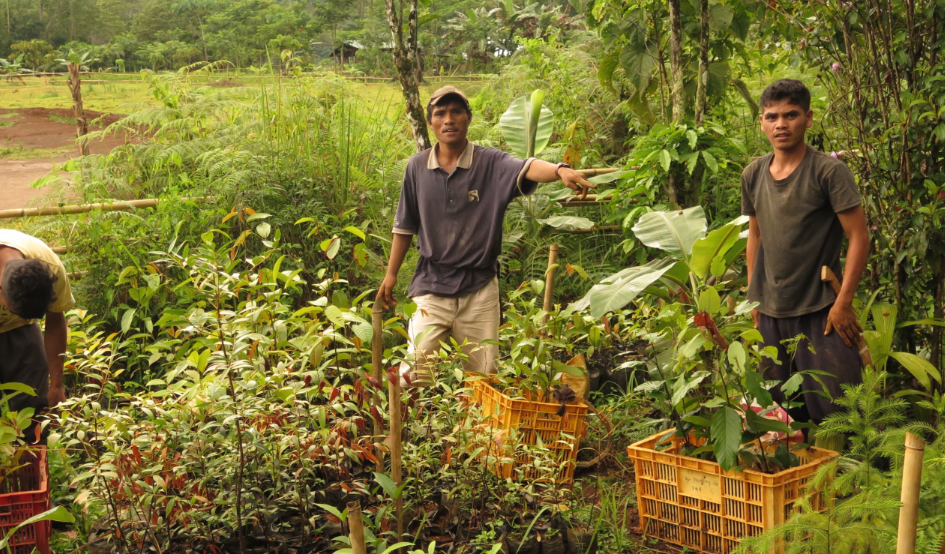
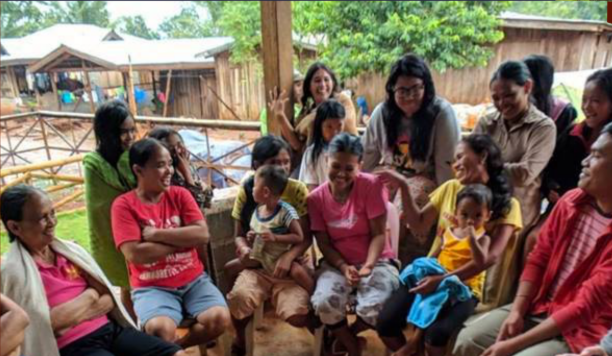
The consortium brings together a robust network of academic and research institutions, including the University of the Philippines' Resilience Institute and School of Urban and Regional Planning, as well as the University of Sheffield's Urban Institute. This collaboration builds upon ESSC's established history of technical engagement with TAMPEI and HPFPI in site assessments, social housing design, and multi-sectoral policy dialogues. As a key component of the Climate Adaptation and Resilience (CLARE) initiative - co-funded by the UK's Foreign, Commonwealth & Development Office and Canada's International Development Research Centre - the RURBANISE project is dedicated to fostering socially inclusive and sustainable resilience. The initiative is distinguished by its transformative methodology, which prioritizes the lived experiences and inherent coping strategies of informal settlers, positioning these communities as central actors in the development of practical, inclusive, and climate-resilient adaptation solutions.