Empowering the Urban Poor: HPFPI's Catalyst Role in Iloilo City's Resilience
Empowering the Urban Poor: HPFPI's Catalyst Role in Iloilo City's Resilience
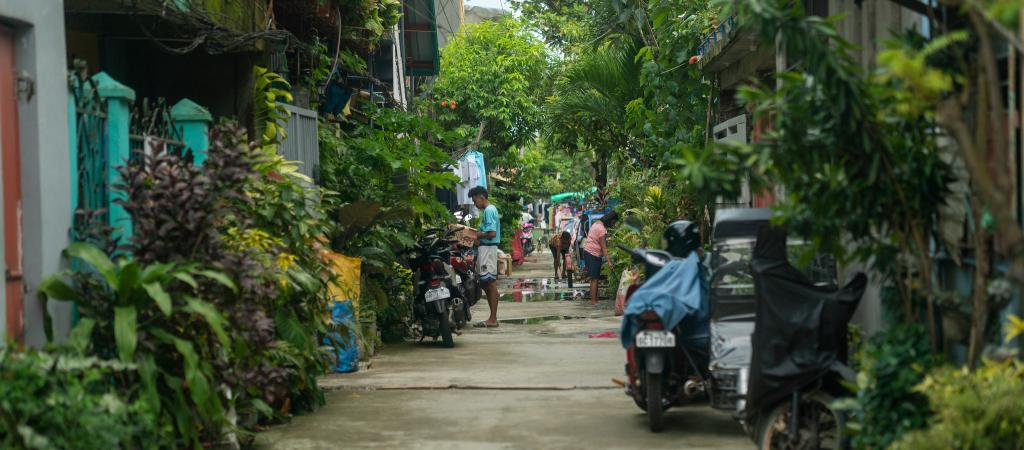
The Homeless People's Federation of the Philippines, Inc. (HPFPI) was instrumental in redefining Iloilo City's approach to urban resilience by transitioning from traditional top-down resettlement to a community-led development model. At the core of HPFPI's strategy was the institutionalization of Community Savings Groups, which served as both a financial safety net and an organizational foundation. By mobilizing over 500 savings groups, the Federation enabled informal settler families, many of whom were previously excluded from formal credit, to co-finance their own resilient housing. This financial autonomy was leveraged to secure land within city limits through public land banking, ensuring that relocated families maintained vital proximity to their livelihoods and social networks rather than being displaced to the urban periphery.
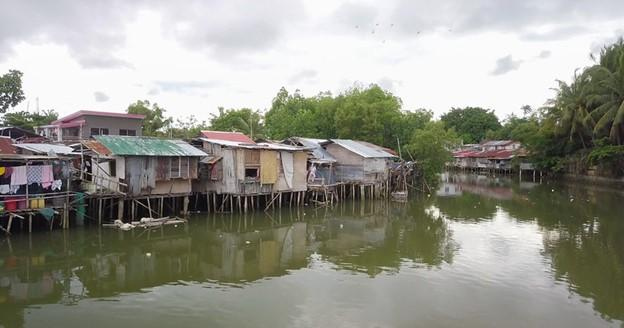
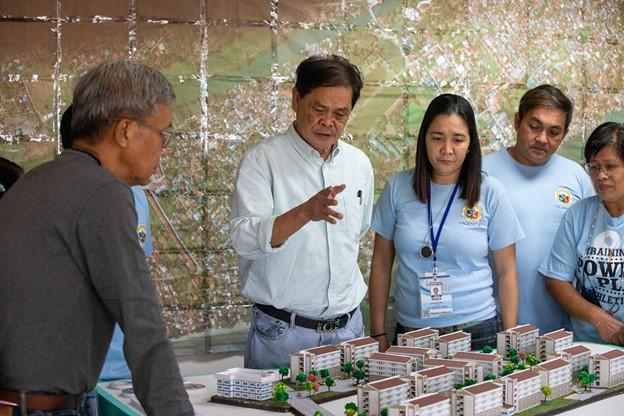
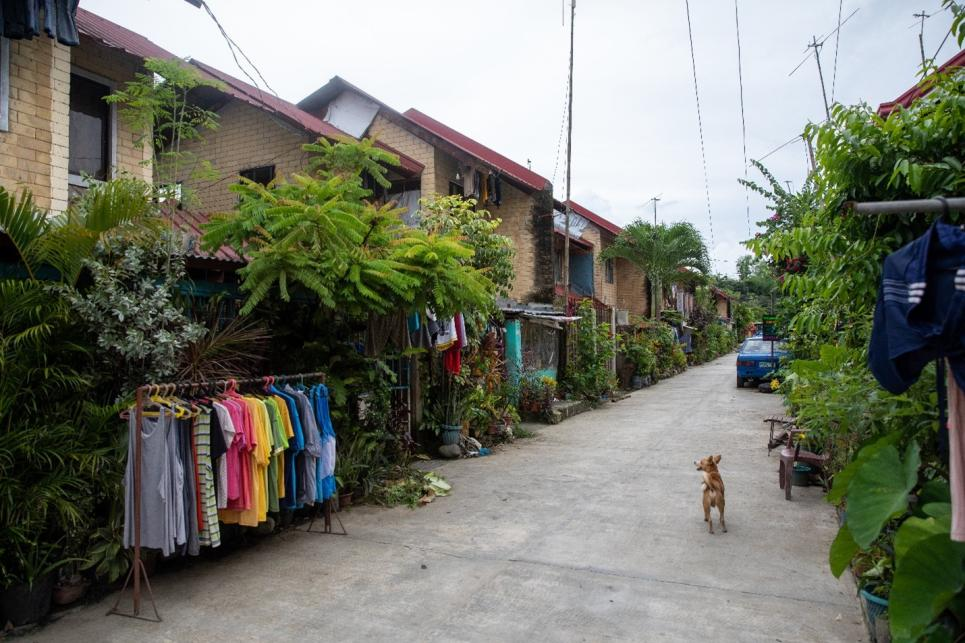
HPFPI's technical contribution was equally transformative, characterized by participatory site planning and architectural innovation. Instead of standardized government units, the Federation facilitated workshops where residents co-designed their homes, leading to the adoption of flood-resilient features such as elevated two-story structures and the use of Interlocking Compressed Earth Blocks (ICEB). These materials not only reduced construction costs but also provided better thermal insulation for the tropical climate. Beyond physical infrastructure, HPFPI bridged the gap between marginalized communities and formal governance; by leading citywide surveys to map housing vulnerabilities, they provided the critical data that shaped the city's Local Shelter Plan. Through these efforts, HPFPI ensured that the voices of the urban poor were not only heard but were integrated into the city's highest decision-making bodies, proving that inclusive disaster mitigation is the most sustainable path to urban stability.